Plumbing · Ealing, London
Bathroom Installation in Ealing, London
Most of the bathrooms The Honest Plumber Ealing refits were drawn up for one household and now serve several. The 'Queen of the Suburbs' — the name the borough surveyor Charles Jones gave Ealing in 1902 — left street after street of substantial Victorian and Edwardian villas, and a large share of the biggest were carved into flats after the war. That subdivision shapes the job first: a suite sitting above someone else's ceiling, a soil stack shared down the back of the building, supply runs that were never meant to branch the way they now do. That stock is where the work lands: full refits, en-suites, wet rooms and cylinder-to-combi swaps across the villas of central Ealing and Northfields, the terraces of Hanwell, and the interwar semis up towards Greenford.
The water shapes it next. Thames Water classifies everything it supplies across the borough as hard — 200 to 300 milligrams of calcium carbonate per litre — and that scale is the quiet reason so many Ealing bathrooms end up torn out in the first place. Cylinders fur, immersion heaters crust, thermostatic shower valves clog and swing between hot and cold. A refit is the sensible moment to settle all of that at once rather than tile over a hot-water system that is already halfway gone, so we look at the cylinder or boiler as closely as the suite when we survey.
Consent shapes it last. Central Ealing around Walpole Park, Pitzhanger Manor and Ealing Green sits inside a conservation area, and so does Brentham Garden Suburb above Northfields — London's first co-partnership garden suburb, protected since 1969 — with a further conservation area proposed for Northfields itself. In those settings, anything that changes an external soil-pipe route, a window or a building's street-facing fabric can need consent before it goes ahead, handled through Ealing Council at Perceval House on the Uxbridge Road. We check a property's exact status while we survey and raise anything consent-sensitive before a price is quoted.
Under all of it, the work is held to one baseline: Building Regulations Part G for sanitation and water efficiency, Part P for the electrics in a room full of water, and WRAS-approved fittings on everything that meets the mains. You get a fixed written quote after the survey and before a single tile is lifted. Call 07447 181913 to book that survey and find out what your bathroom actually needs.
What We Do
The Bathroom Jobs Ealing Books Most
Every job opens with a survey of the real walls, the real floor and the pipework already in place, so the figure you get reflects your actual room rather than an average of everyone else's.
Full Refits in Period and Subdivided Villas
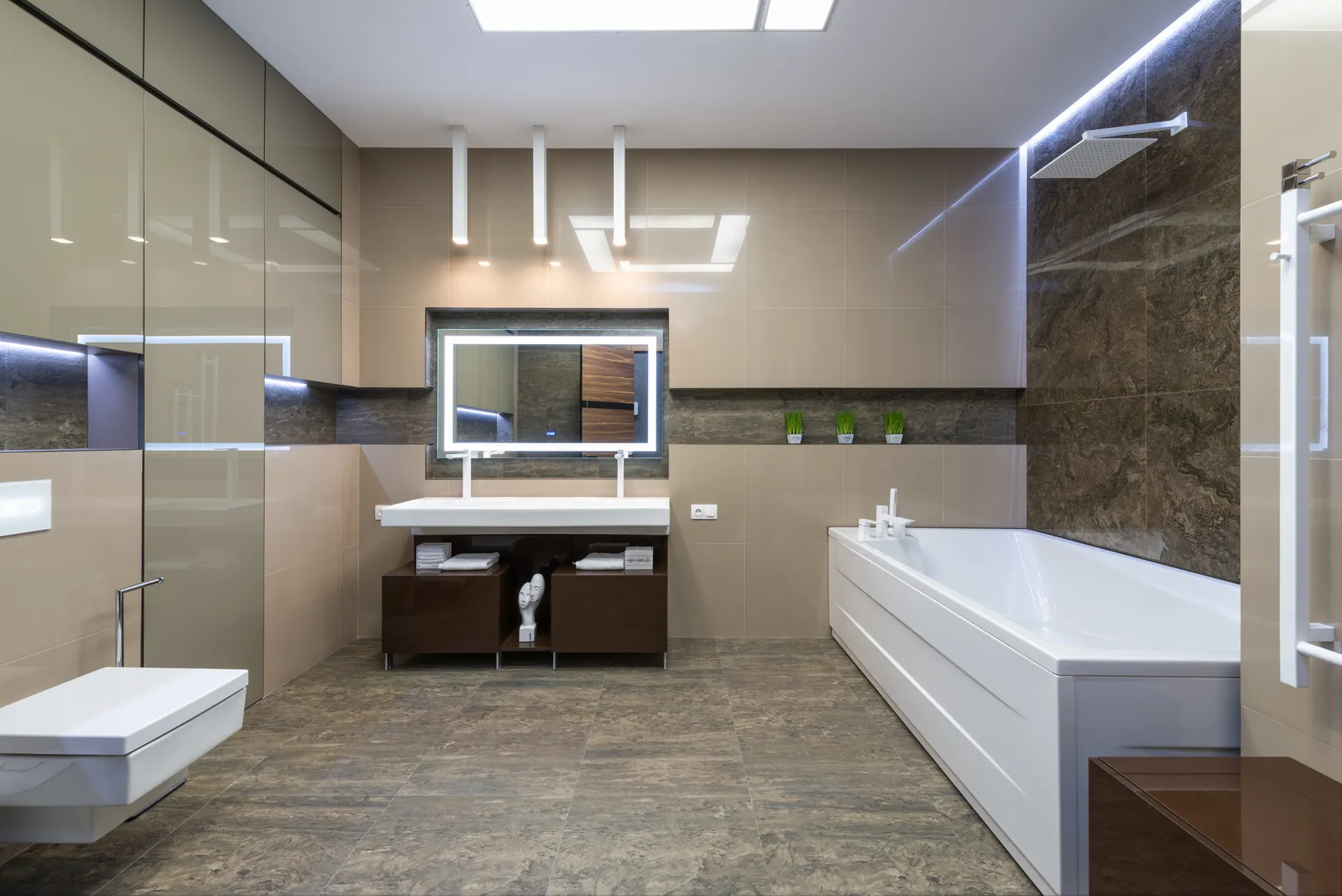
Stripping a bathroom back to the joists and rebuilding it — suite, tiling, tap fittings, pipework and all — is the job we do most, and no two starting points are alike. A subdivided central-Ealing villa, a red-brick Edwardian semi in Northfields and a 1930s Greenford interwar house each hide a different arrangement behind the plaster: solid walls that need runs chased in by hand, lath-and-plaster opened with care, and in the oldest houses galvanised or lead pipe better replaced than joined onto.
Most full refits take a week or two on site, with the price settled in writing after the survey and held to the end.
Cylinder-to-Combi Swaps, Done in One Opening
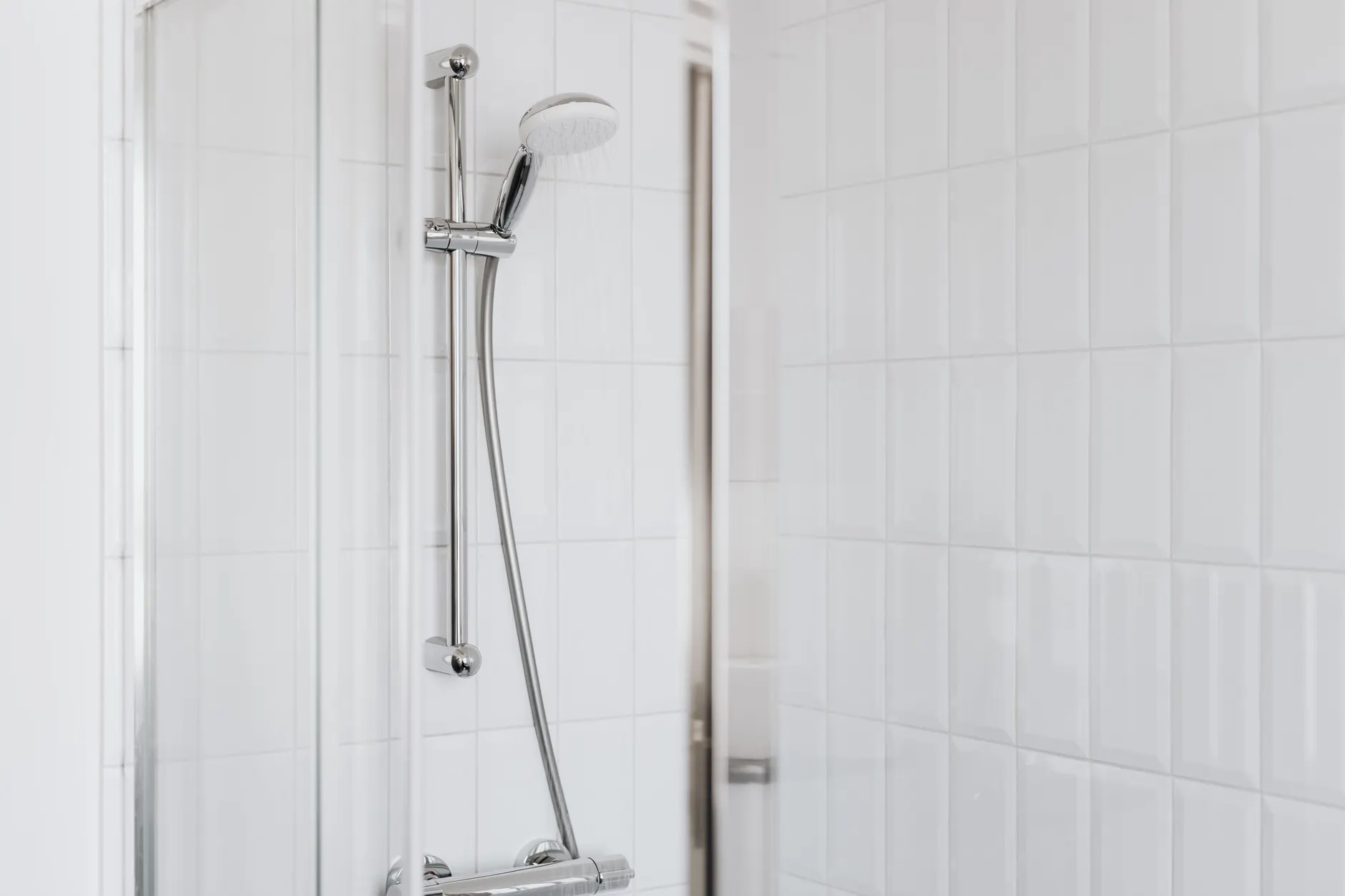
The airing-cupboard cylinder in a lot of Ealing houses predates the boiler feeding it and has spent years scaling on hard water. Swapping it for a combi while the bathroom is already open means the pipe runs are altered and made good once, instead of disturbing a freshly tiled room a year down the line — and the freed-up cupboard is rarely unwelcome.
See boiler and hot water repair for what that scaled cylinder was doing to your hot water before the swap.
En-Suites and Level-Access Wet Rooms
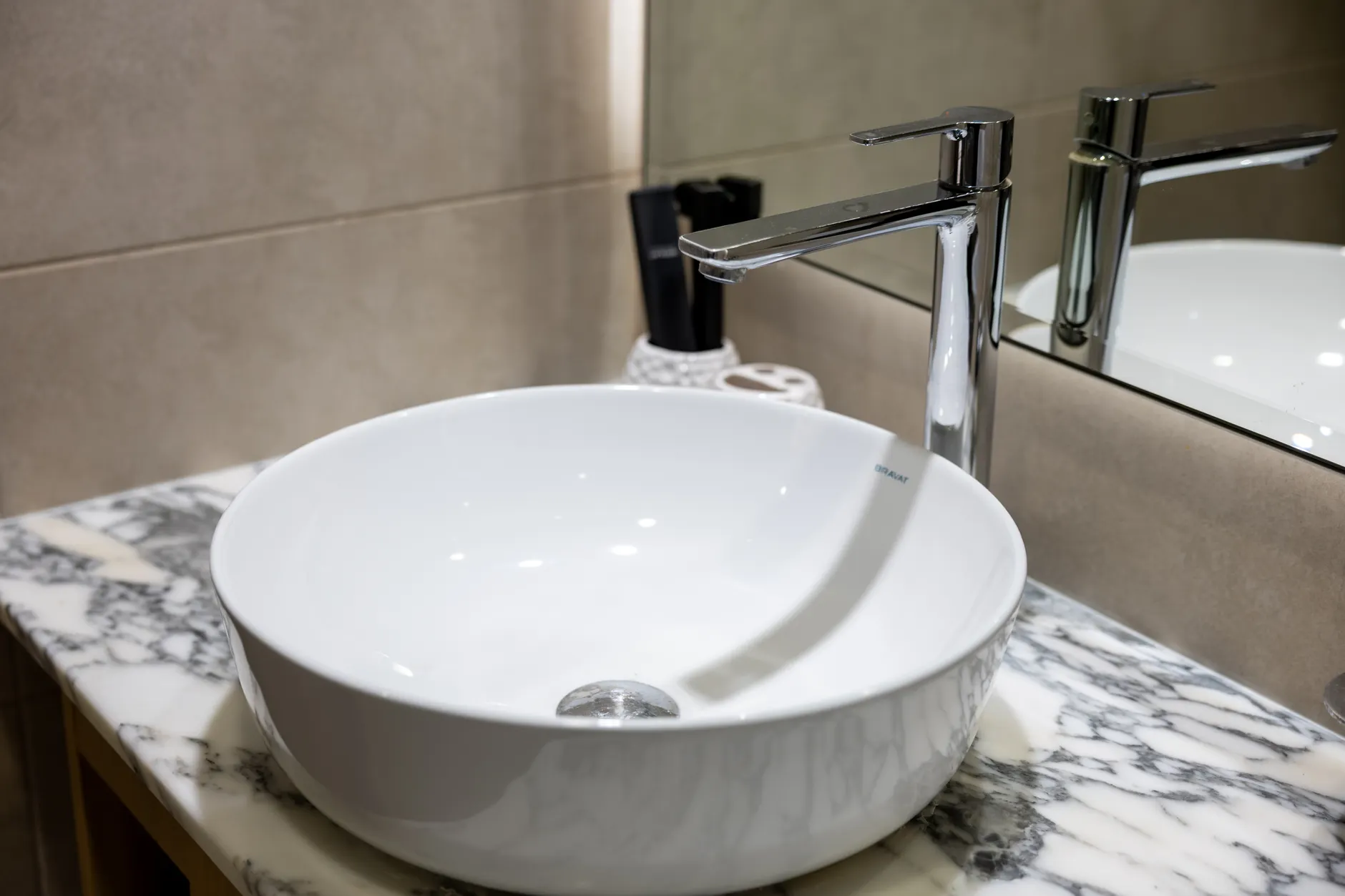
Carving out an en-suite or turning a bathroom into a step-free wet room usually means running fresh waste to an existing stack — quick where a newer flat has open service voids, more of a planning exercise in a solid-walled villa where the run must follow the fabric. A wet room is tanked and its falls graded to drain properly, built to Part G's water-efficiency and drainage requirements throughout.
Where the property sits in a conservation area, any change touching an external soil pipe is checked for consent before we put a number to it.
The Benefits
What Is Settled Before a Tile Comes Off the Wall
A bathroom priced over the phone, before anyone has seen the walls or the pipework, is guesswork with a pound sign on it. Ours works the other way round — the survey sets the figure.
The Figure Is Locked at Survey, Not at the Finish
The written quote is built after we have seen the room — the scope, the fittings you have chosen and how much tired pipework wants replacing — and that figure is what you pay at the end. The only thing that can move it is something genuinely unforeseen behind the wall, shown to you and agreed in writing before any extra work happens.
Whether Your Street Needs Consent, Known Up Front
If a property sits in the conservation area around Walpole Park and Ealing Green, or in Brentham Garden Suburb, any consent tied to external soil-pipe changes or structural alteration is identified while we survey — not discovered mid-job, when downing tools is expensive. Plenty of straightforward internal refits in these areas need no consent at all, and we tell you plainly which side of that line your job sits.
Part G, Part P and the WRAS List as the Floor
Sanitation and water-efficiency work follows Part G, the electrics in the bathroom follow Part P, and every fitting that meets the mains is WRAS-approved. That is the standard the work is built to on a subdivided villa flat and a Greenford semi alike — a specification of how the job is done and what goes into it, not a badge worn over the top.
Why Us
Villa, Terrace or Semi: Reading Ealing by the House
Period, garden-suburb and interwar stock each hide something different, and the age of the street says a good deal about what is behind the wall before the first board lifts.
We Flag the Conservation Corners Others Drive Past
The heritage core around Walpole Park and Pitzhanger, and Brentham Garden Suburb above Northfields, both carry consent considerations a fitter from outside the borough might not think to raise until it is too late. We check the status first and put anything relevant on the table before quoting.
We Read the Pipework From the Age of the Building
Solid Victorian and Edwardian walls in central Ealing and Northfields, standardised 1930s construction in Greenford's semis, and the open service voids of a newer flat each dictate how a bathroom's pipework is routed, replaced and priced. Knowing which one you are standing in before anything is opened up is most of what keeps a quote honest.
One Team and One Number, Broadway to Greenford
From the subdivided villas around the Broadway out to Hanwell, Northfields and Greenford, the plumbers we coordinate fit bathrooms across the whole service area on the same terms — see our full range of services for everything else we cover.
Opening up a bathroom is often the moment other jobs come to light — a weeping valve, a length of galvanised pipe, an overflow that never quite sat right. If you already suspect something is moving behind the plaster, leak detection can find it before the tiler arrives, and our full list of services covers the rest. Bathroom installation runs on the same survey-first, fixed-quote terms out to Hanwell, Northfields and Greenford.
Frequently Asked Questions
What makes a bathroom refit in a subdivided Ealing villa different?
Many of Ealing's largest villas were split into flats after the war, so a bathroom often sits above another home's ceiling and shares a soil stack down the back of the building. New runs have to be chased through solid period walls and threaded past pipework that was never designed to branch this way, which takes more planning than a modern flat with open service voids. We survey how your flat sits within the original house before quoting, so the routing is worked out on paper rather than discovered with a chisel.
Do I need consent to refit a bathroom in Brentham or near Walpole Park?
Purely internal bathroom work rarely needs consent, but the conservation area around Walpole Park, Pitzhanger and Ealing Green, and Brentham Garden Suburb above Northfields, can require it for anything altering an external soil-pipe route, a window or a building's street-facing fabric. We establish a property's exact status during the survey and flag whatever needs consent before a price is agreed, all through Ealing Council at Perceval House. Most straightforward internal refits in these areas go ahead with no consent issue whatsoever.
How does Ealing's hard water affect a new bathroom?
Thames Water classes everything it supplies across the borough as hard, at 200 to 300 milligrams of calcium carbonate per litre, and that scale furs cylinders, crusts immersion heaters and clogs thermostatic shower valves over time. A brand-new suite plumbed onto an already-scaled hot-water system inherits the same problem, so we look hard at the cylinder or boiler while surveying the room. Dealing with both together during the refit is usually cheaper and less disruptive than coming back to the hot water on its own later.
What do Part G and Part P actually govern in a bathroom?
Part G of the Building Regulations sets the rules for sanitation, hot-water safety and water efficiency, while Part P covers electrical safety in the one room where water and wiring sit closest together. A full installation is carried out to both regardless of how old or how small the property is. If you want the specifics that apply to your particular layout spelled out, just ask at the survey and we will walk you through them.
What does it mean that the fittings are WRAS-approved?
WRAS approval means a fitting — a tap, a valve, a shower unit — has been tested and passed as safe to connect to the public mains without risk of backflow or contamination. Everything we put on the mains supply carries that approval as standard, which is a property of the part itself rather than a statement about who installs it. It is one of the standards the work is built to on every job the team coordinates.
How long is my bathroom out of action for a full refit?
A straightforward full refit is usually a week or two on site, from strip-out through to the last tile and the fittings going on, depending on the size of the room and how much pipework is being replaced. A wet-room conversion, or a job in a solid-walled property where new runs need careful routing, can take longer. We confirm the timeline at the survey alongside the fixed price, so you know what to expect before anyone turns up.
Why does a refit in a period villa cost more than one in a Greenford semi?
Solid Victorian and Edwardian walls in central Ealing and Northfields make routing new supply and waste far more labour-intensive than the standardised interwar construction of a 1930s Greenford semi or the open voids of a newer flat. Behind those older walls there is often galvanised or lead pipe better replaced than joined onto, which adds to the work. The gap shows up as a higher quote for a similar-sized bathroom because the labour behind the plaster is genuinely greater, not because of where the house stands.
Can you convert my cylinder to a combi while the bathroom is open?
Yes — doing the cylinder-to-combi swap alongside the refit is common, particularly in the villas and Edwardian semis where the cylinder predates the boiler and has been scaling on hard water for years. Handling it while the room is already open means the pipework is rerouted and made good once, and the airing cupboard it frees up is a useful bonus. It appears as its own line within the fixed quote, so you can see exactly what it adds.
What if something unexpected turns up once the wall is open?
If genuinely hidden trouble appears once a wall comes off — a run of old lead pipe that never showed at survey, or damp that was not visible beforehand — we stop, show you what we have found and agree a revised figure in writing before carrying on. It is uncommon rather than routine, because a thorough survey exists to catch these things early, though it happens now and then in the older villas where pipe runs are long and hard to trace. Nothing extra is billed without your say-so, and work pauses rather than pressing on with a guess.
Do you fit level-access wet rooms?
Yes — wet-room conversions, tanked throughout and with the floor falls graded correctly to the drain, are built to Part G's water-efficiency and drainage requirements. They go in more easily where a newer flat has accessible service voids than in a solid-walled villa, where the waste routing wants more planning, but we fit both across the service area. The survey confirms what a given room's layout will actually allow before any quote is put together.
Do you cover Hanwell, Northfields and Greenford as well as central Ealing?
Yes — full refits, en-suites, wet rooms and cylinder-to-combi swaps are covered across West Ealing, Hanwell, Northfields and Greenford on the same survey-first, fixed-quote basis. What changes is the building: solid Victorian and Edwardian walls behave differently from Greenford's 1930s interwar semis or a newer flat's service voids. Wherever the property sits, the process and the standards the work is built to stay the same, and the one number — 07447 181913 — reaches the whole area.
Start With a Survey, Not a Guess
The fixed written quote comes before any work does. Call 07447 181913 today.
07447 181913