Plumbing · Ealing, London
Plumber in Greenford, London: A40 Interwar Semis, the Hoover Building & Standardised Pipework (UB6)
Greenford is the interwar chapter of our coverage. Where central Ealing and Northfields run to Victorian and Edwardian stock, and Hanwell tips into the Brent valley, Greenford was overwhelmingly built in the 1930s — bay-fronted semi-detached houses and short terraces that filled former farmland once the A40 Western Avenue was driven through and the model factories of the age followed the new road out. The Grade II* Art Deco Hoover Building, opened in 1933 on the A40 at neighbouring Perivale, is the landmark that fixes the era in the mind. Greenford sits about three miles north-west of Ealing Broadway, sharing the UB6 postcode with Perivale, and it is the furthest of the three outer areas from the base while still covered on the same 24-hour number.
That interwar semi stock is the single fact that shapes most of the work here, and in a helpful way: houses built to a 1930s pattern tend to share a pipework profile. The classic Greenford job is ageing early-copper and, in places, galvanised supply pipework now well past its intended life; original 1930s bathrooms and kitchens being replaced; and hard-water-scaled cylinders and boilers, since Thames Water supplies the whole area as hard water. Once you know how houses of this vintage were plumbed, you know where to look — the runs behind the walls are frequently still much as they were laid, even where fittings and suites have been updated over the decades.
Greenford is not only semis, though. The Grand Union Canal and the River Brent thread across the north of the area around Horsenden Hill — at 279 feet the high point the low waterside ground sits below — so canal- and river-side streets fall within the Environment Agency's River Brent flood warning area and carry drainage considerations the higher interwar streets do not. Greenford sits wholly inside the London Borough of Ealing, so building control runs through Ealing Council at Perceval House on the Uxbridge Road, and we plan the ground and the housing into every quote we give in writing.
Local Service
The A40 Generation: 1930s Semis & Standardised Pipework
Greenford's fabric is overwhelmingly interwar, and that consistency is an advantage — a 1930s semi here tends to behave like the next one.
Ageing Early-Copper & Galvanised Runs in the Interwar Semis
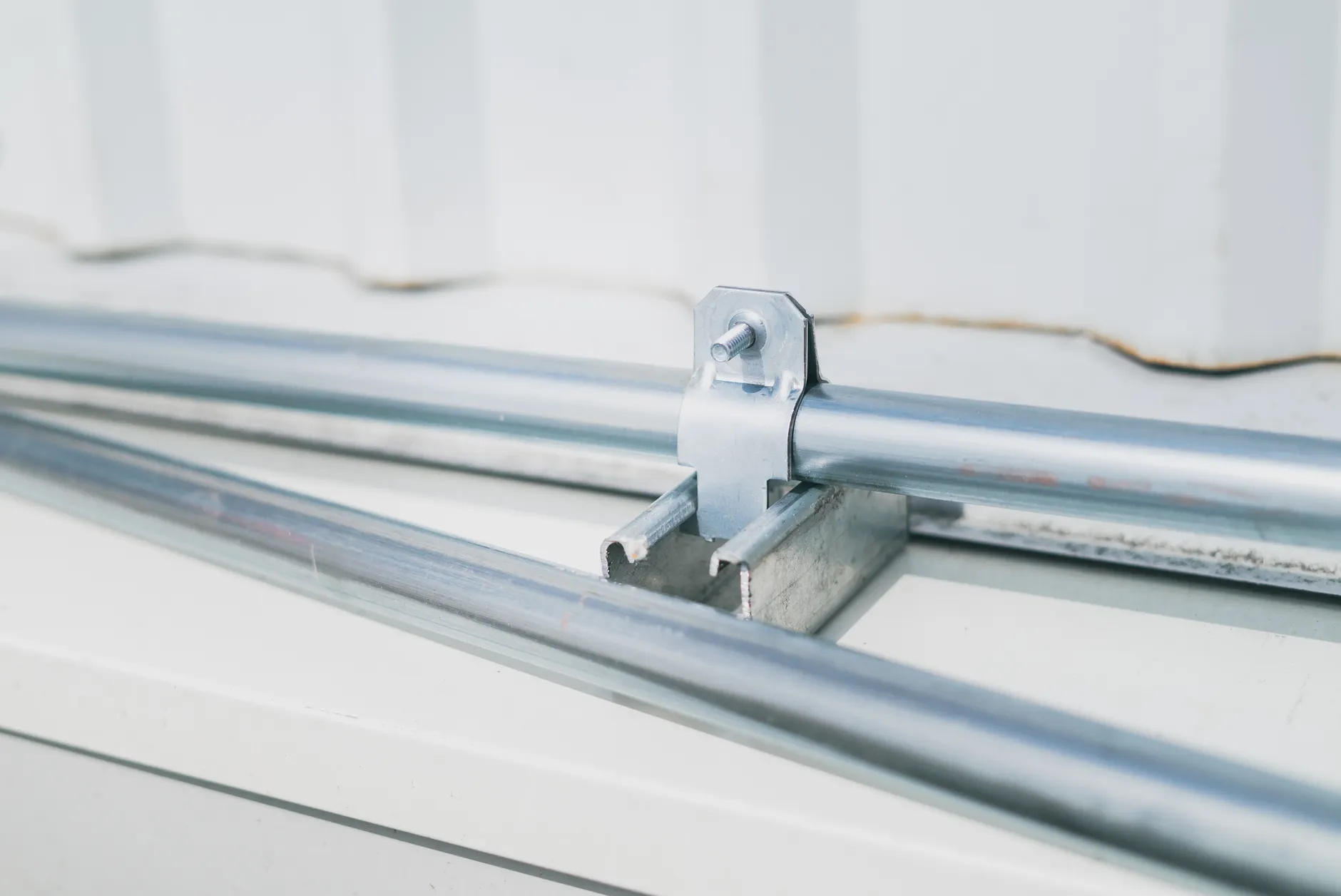
The bay-fronted semis and short terraces that filled Greenford's former farmland once the A40 opened were plumbed to the standards of their day — early copper and, in pockets, galvanised supply pipework — and much of it is now well past its intended working life even where the fittings on the end have been swapped. Because the stock is so uniform, knowing one house gives a real head start on the next.
Assessing the Run Before Quoting
We assess the existing run before quoting rather than assuming a standard job, and price a supply-pipe repair, a rising-main renewal or a stopcock replacement in writing once we have seen it. The work is built to the Water Supply (Water Fittings) Regulations 1999 using WRAS-approved fittings, and the written figure holds once we are on site.

Replacing Original 1930s Bathrooms & Kitchens
A large share of Greenford's semis still carry bathrooms and kitchens close to their 1930s layout, and replacing one properly usually means renewing the supply and waste pipework at the same time as the suite rather than working around it. On interwar stock, leaving tired galvanised or early-copper runs in place behind a smart new bathroom tends to relocate the next leak rather than remove it, so we plan the routing as part of the job from the start.
Bathroom Installation Planned to Part G
A bathroom installation in a Greenford semi is planned to Building Regulations Part G and priced in writing once we have seen what the routing demands, confirmed against the actual house before we begin.
Hard-Water Boiler & Cylinder Care Across the Interwar Streets
Thames Water supplies Greenford with hard water — its own classification puts 'hard' at 200 to 300 milligrams per litre of calcium carbonate — so limescale steadily furs the inside of combi boilers, hot-water cylinders and immersion heaters across the 1930s semis, exactly as it does across the rest of the borough. It is a slow, background problem, which is why it goes unnoticed until a boiler short-cycles or a cylinder stops holding heat the way it should.
Power Flushing Before a Replace Decision
A boiler repair callout in Greenford is quoted in writing, and where scale has already built up a power flush to clear it is priced before any work begins. On uniform interwar stock, keeping on top of scale is usually the difference between a heating system that reaches its expected life and one that fails early.
Local Service
The Hoover Building to Horsenden Hill: Landmarks & Waterside Ground
Greenford's setting runs from the Art Deco factory belt on the A40 to the canal and river across the north, and the low ground there changes the job.
The A40 Factory Belt & the Grade II* Hoover Building
Greenford was reshaped in the 1930s by the A40 Western Avenue, the severing arterial corridor that drew the era's model factories out along it — Wallis, Gilbert and Partners' Art Deco Hoover Building, opened in 1933 and now Grade II* listed, stands on the A40 at adjoining Perivale, the emblem of the interwar arterial-road factory belt. That heritage is mostly a matter of setting rather than of the residential plumbing itself, but the A40's heavy through-traffic and limited off-street parking shape how we plan a van's access for any job right on the corridor.
Scheduling Access Around the A40's Traffic
We schedule parking and loading around the A40's traffic pattern before a callout on the arterial frontage, and treat the semis set back off it as the standard interwar work they are.
Drainage & Flood-Aware Work Near the Canal and the Brent
The Grand Union Canal and the River Brent run across the north of Greenford around Horsenden Hill, and that low, waterside ground falls within the Environment Agency's River Brent flood warning area for the London Boroughs of Ealing and Hounslow. Streets down near the water carry drainage and flood considerations — fall, gullies, backflow — that the higher interwar semis on the ridge simply do not, so on a low-lying canal- or river-side address we look at those first rather than treating it as a standard dry-ground job.
Flagging Drainage on Low-Lying Ground
We factor that setting into any drainage or below-ground work near the water, and a blocked drains callout there is quoted in writing, with a CCTV survey added where low-level access makes an external clear-out impractical. On the higher streets the flood question does not arise, which is why we ask where a property sits before advising.
Local Service
Greenford's Streets & Local Coverage
Covering Greenford Broadway, Greenford Green & Perivale
Our coverage takes in Greenford Broadway, Greenford Green and North Greenford, the Ravenor Park streets, and the Perivale side of the shared UB6 postcode, up towards Horsenden Hill and the canal. Greenford recorded 46,787 residents at the 2011 census, and it is everyday coverage for us despite sitting the furthest of our districts from the West Ealing base.
Knowing Which Streets Sit on Higher Ground
Because we run the area regularly, we know which streets sit on the higher interwar ground and which drop towards the water and need the drainage question asked first, so we can usually give a realistic arrival window. Any structural or notifiable work runs through Ealing Council at Perceval House, the same authority as our Hanwell and Northfields coverage.
24-Hour Emergency Cover Across UB6 from The Broadway
Our base at 142 The Broadway in West Ealing is a straightforward run north-west up towards the A40 into Greenford, and we treat UB6 as core coverage rather than a fringe area, the same as the districts nearer the base. For a genuine emergency — a burst pipe, an uncontrolled leak, water rising on low waterside ground, no heating in the cold — the plumbers we coordinate are usually already working somewhere in the wider area rather than starting cold.
Comparing Coverage Across the Borough
The emergency plumbing line is answered 24/7 on 07447 181913. If you are comparing coverage across the borough, our Northfields page shows how the Edwardian, conservation-bound side of the patch differs from Greenford's interwar-arterial setting, and our full list of services sets out everything we cover here.
Greenford runs on the 1930s interwar semis that filled former farmland once the A40 Western Avenue opened, past the Art Deco Hoover Building, and the ageing early-copper and galvanised runs behind most of our boiler repair and leak detection calls here reflect that uniform stock — with drainage and flood-aware work coming into play only on the low waterside ground near the canal and the Brent. See our bathroom installation page for renewing original 1930s bathrooms, and our blocked drains page for drainage on the low streets around Horsenden Hill. If you are comparing coverage across the borough, our neighbouring Hanwell and Northfields pages show how the Brent-valley and Edwardian-garden-suburb sides of the patch differ from Greenford's interwar-arterial setting — or see all our services. For the full picture of how a call from the A40 side reaches the same Broadway line as everywhere else, visit home.
Service Area
Serving Greenford & Perivale
Frequently Asked Questions
What parts of Greenford do you cover?
We cover all of UB6 across Greenford — Greenford Broadway, Greenford Green, North Greenford, the Ravenor Park streets, and the Perivale side of the shared postcode up towards Horsenden Hill and the canal. If you are on low, waterside ground near the Brent and unsure whether drainage or flood considerations apply, give us the street and we will talk it through before quoting. Greenford sits about three miles north-west of our base at 142 The Broadway in West Ealing, so despite being the furthest of our districts it is still part of our everyday round rather than a special trip.
Why does Greenford's 1930s housing shape a plumbing job?
Greenford was overwhelmingly built in the 1930s, when interwar semis and short terraces filled former farmland once the A40 Western Avenue was driven through. That uniform interwar stock is the classic profile for ageing early-copper and, in pockets, galvanised supply pipework now well past its intended life, even where fittings and suites have been updated. The consistency is an advantage — knowing one 1930s semi gives a real head start on the next — so we assess the existing run before quoting and build the work to the Water Supply (Water Fittings) Regulations 1999 using WRAS-approved fittings.
Does the Hoover Building or the A40 factory belt affect plumbing work?
It affects the setting and van access far more than the plumbing itself. The Grade II* listed Art Deco Hoover Building, opened in 1933 by Wallis, Gilbert and Partners, stands on the A40 at adjoining Perivale as the landmark of Greenford's interwar factory era. For a job right on the A40 frontage, the corridor's heavy through-traffic and limited parking mean we plan a van's access before arriving, while the semis set back off the arterial road are simply the standard interwar work that makes up most of our coverage here.
Are there flood or drainage issues in parts of Greenford?
Yes, on the low ground near the water. The Grand Union Canal and the River Brent run across the north of Greenford around Horsenden Hill, and that low, waterside land falls within the Environment Agency's River Brent flood warning area for the London Boroughs of Ealing and Hounslow. Streets down near the water carry drainage and flood considerations — fall, gullies, backflow — that the higher interwar semis on the ridge do not, so we ask where a property sits before advising. On a low-lying canal- or river-side address we treat drainage as the first question rather than an afterthought.
My Greenford house is a 1930s semi — what does that mean for the pipework?
Semis of that era were plumbed to the standards of their day, so the classic Greenford house carries early-copper and, in places, galvanised supply pipework now well past its intended working life. Because the stock is so uniform, the runs behind the walls are frequently still close to how they were originally laid, even where fittings and bathrooms have been updated. We check the existing route before quoting rather than assuming, and any repair or re-pipe is built to the Water Supply (Water Fittings) Regulations 1999 using WRAS-approved fittings, with the written price holding once we are on site.
Why is limescale such a common problem on Greenford boilers?
Thames Water supplies Greenford with hard water, and its own classification puts 'hard' at 200 to 300 milligrams per litre of calcium carbonate. That scale steadily furs the inside of combi boilers, hot-water cylinders and immersion heaters across the 1930s semis here, cutting efficiency and shortening how long a system lasts if it is never cleared. It is a slow background problem, which is why it goes unnoticed until a boiler short-cycles or a cylinder stops holding heat — and a power flush to clear built-up scale is priced in writing before any work begins.
Does Greenford fall under Ealing Council for building control?
Yes. Greenford is wholly inside the London Borough of Ealing and shares the UB6 postcode with Perivale, so building control and any notifiable plumbing work run through Ealing Council at Perceval House on the Uxbridge Road. That is the same authority as our Hanwell and Northfields coverage, so there is no cross-borough permitting question when a job spans the patch. In practice the paperwork for notifiable work — a new bathroom in an interwar semi, say — goes through the same council office as everywhere else we cover, and we plan any notification into the job from the outset.
What does a bathroom installation cost in Greenford?
A bathroom installation in a Greenford semi is priced in writing once we have seen what the routing demands, because the figure depends on the spec and on how much of the original interwar pipework needs replacing alongside the new suite. A great many semis still carry bathrooms close to their 1930s layout, so the job often means renewing supply and waste runs rather than just swapping fittings. We confirm the figure against the actual house before starting, and the work is planned to Building Regulations Part G.
I can smell gas in my Greenford property — what should I do?
Leave the property straight away, avoid using light switches or naked flames, and call the National Gas Emergency Service on 0800 111 999 — that is the correct UK emergency number, not ours. Open a window or door on your way out if it is safe to do so, and do not try to locate the leak or touch any gas appliance yourself. Once the supply has been made safe, call us for any plumbing or appliance work needed afterwards, and any gas-related work we coordinate is carried out to the Gas Safety (Installation and Use) Regulations 1998.
How fast can you reach an emergency in Greenford, and do you cover the sibling areas?
Our base is at 142 The Broadway in West Ealing, a straightforward run north-west up towards the A40 into Greenford, and we run UB6 as regular coverage rather than dispatching cold — so call 07447 181913 any time, 24/7, and we will confirm a realistic arrival window. Both sibling districts are part of the same round: Hanwell lies to the south, down towards the Brent valley where flood-aware drainage matters as much as the pipework, while Northfields sits nearer central Ealing among coherent Edwardian stock with conservation considerations around Brentham Garden Suburb. All three fall under the London Borough of Ealing and share Thames Water's hard supply, so our scale-prevention advice is consistent across them.
Get a Fixed Written Quote for Greenford
1930s semi off the A40 or a waterside street near Horsenden Hill — call 07447 181913, any hour.
07447 181913